Rarely in the history of running shoes has technology changed so fundamentally and across the board as it has in recent years. Modern running shoes today versus those from just a few years ago: it’s a whole different world. This applies to both training and competition shoes. We’ll explain what has changed so much in such a short time, why these changes have occurred, and what you should look for when making a purchase.
Bis vor wenigen Jahren ging es im Laufschuhmarkt eher gemächlich zu und her: Evolution statt Revolution war das Motto. Eine kleine Verbesserung hier, ein Update da. Aber grundlegend neue Technologien waren lange Zeit nicht in Sicht. Bis vor etwas mehr als zehn Jahren – zuerst noch unbemerkt vom Mainstream – dank der neuen Firma „Hoka One One“ (heute nur noch „Hoka“) ein radikal anderer Schuh auf den Markt kam. Freilich gab es schon immer Querdenker bei den Laufschuhfirmen, dazu gehörte sicherlich auch On mit der neuen Cloud-Technologie. Aber Hoka brachte als erste einen richtig grossen Stein ins Rollen.
Squaring the circle?
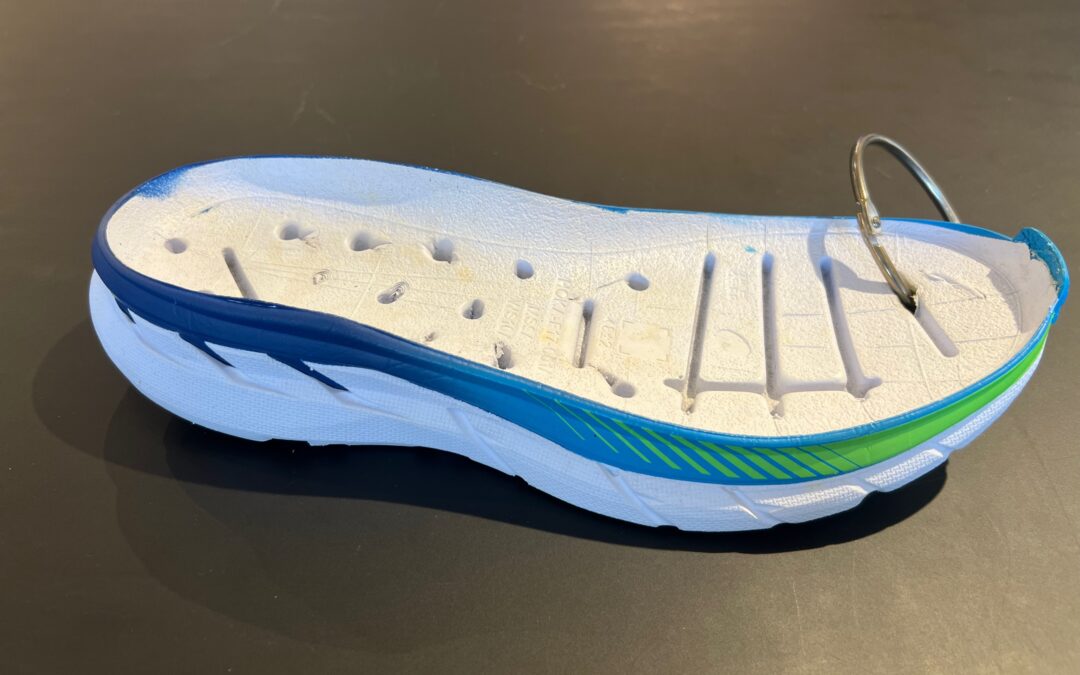
Was war anders? Die beiden französischen Gründer kamen aus dem Trailrunning-Business und waren mit dem damaligen Laufschuhangebot nicht zufrieden. Vor allem für längere Distanzen mit vielen Bergab-Passagen suchten sie eine Alternative. Diese entwickelten sie gleich selber: Maximal gedämpfte Schuhe auf einer abgerundeten Sohle („Rockersohle“) für hohe Dynamik waren ihre Lösung. Um trotz der hohen Sohle Stabilität zu gewährleisten, bauten sie die Schuhe auf einen geraden Leisten. Diesen kannte man bis dahin nur von super stabilen Schuhen für heavy Überpronierer, sie galten als zu undynamisch, zu schwerfällig. Kurz: Hoka gelang (beinahe) die „Quadratur des Kreises“: Leicht, stark gedämpft, dynamisch und trotzdem stabil.
Hoka hatte (auch optisch) gar nichts mit konventionellen Laufschuhen zu tun. Wir erinnern uns noch gut an die Zeit, als der erste Hoka auf den Markt kam. Auch wir runzelten die Stirn und Sprüche wie „geht gar nicht“, „wer läuft denn mit solchen Geschwüren“ waren an der Tagesordnung.
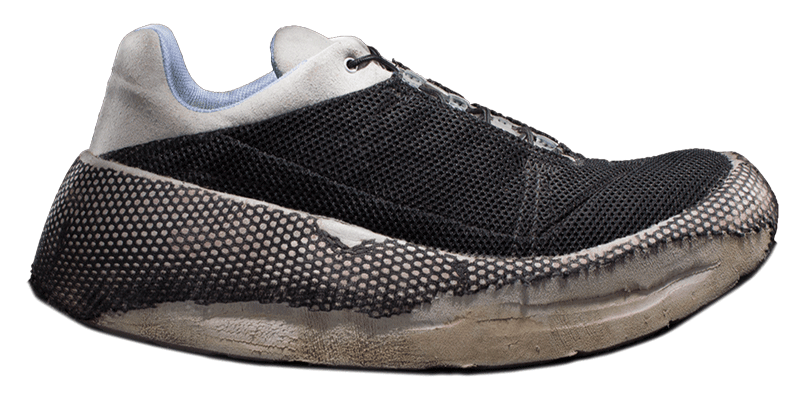
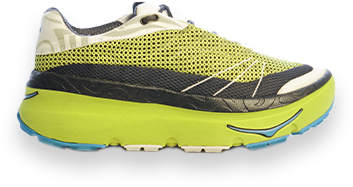
But the concept won over more and more people. Hoka quickly began to dominate the triathlon scene in particular. Well-cushioned, stable thanks to a straight last, yet dynamic thanks to the rocker sole: it was tailor-made for triathlon, where athletes start the run already fatigued and want to combine stability with dynamism.
An innovative, lightweight material helped pave the way for a breakthrough
At the time, it was impossible to foresee that this new running shoe design would quickly gain widespread popularity beyond trail running and triathlons. Two key factors contributed to this:
- Although the midsole is thick (up to 40 mm), it is still very lightweight thanks to new materials. This would not have been possible with the conventional EVA material that was commonly used until recently.
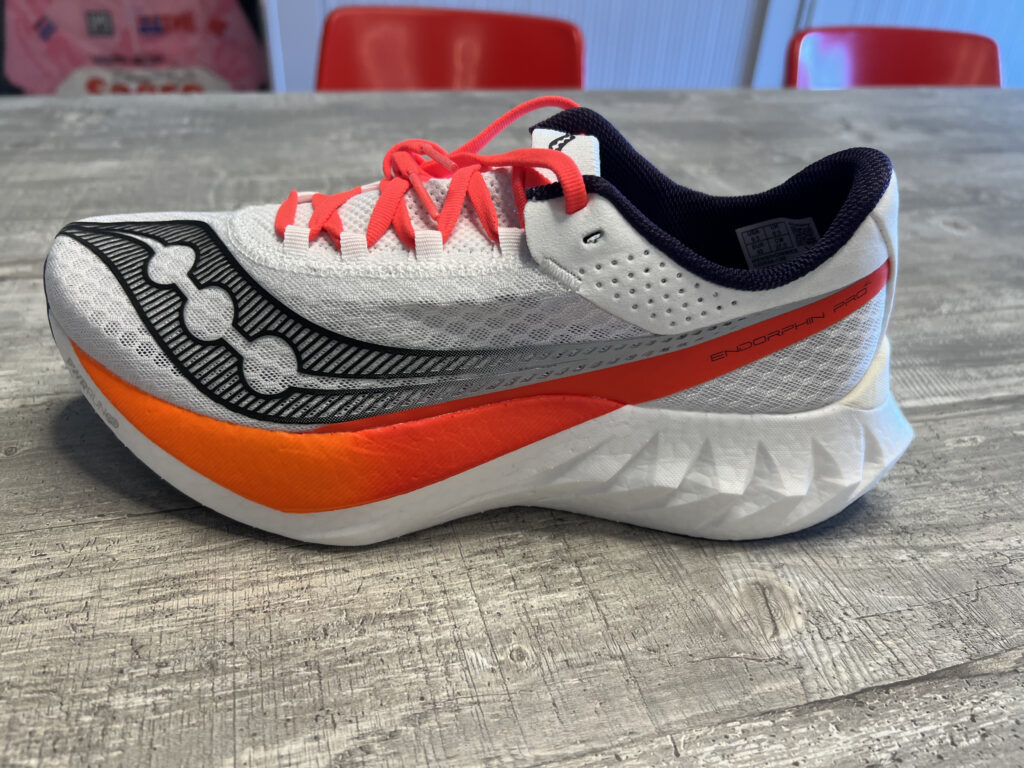
- Dank der Adaption des Hoka-Prinzips auf Wettkampfschuhe mit der Integration von Karbonplatten startete im Elite-Bereich ein Siegeszug der „fetten“ Wettkampfschuhe. Rekorde wurden pulverisiert, die Technologie erregte Aufsehen. Kein(e) Elite-AthletIn, die heute nicht mit solchen Schuhen unterwegs ist. Selbst auf der Bahn, bisher Inbegriff der minimalistischen Schuhe, hält die Technologie (adaptiert) Einzug.
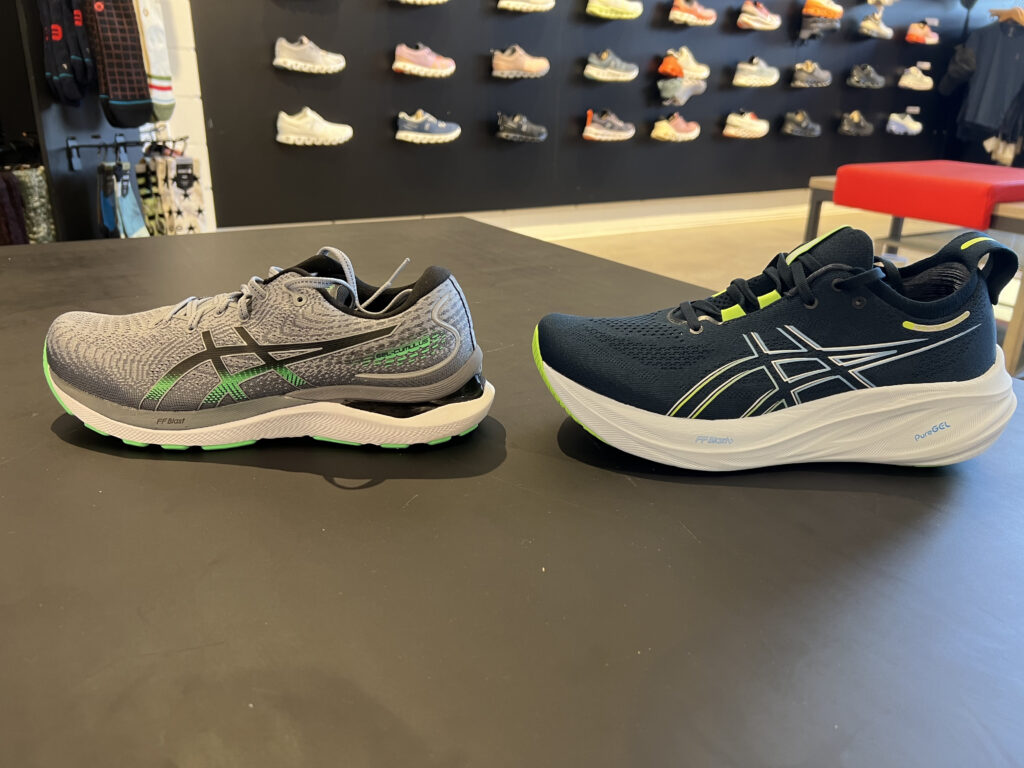
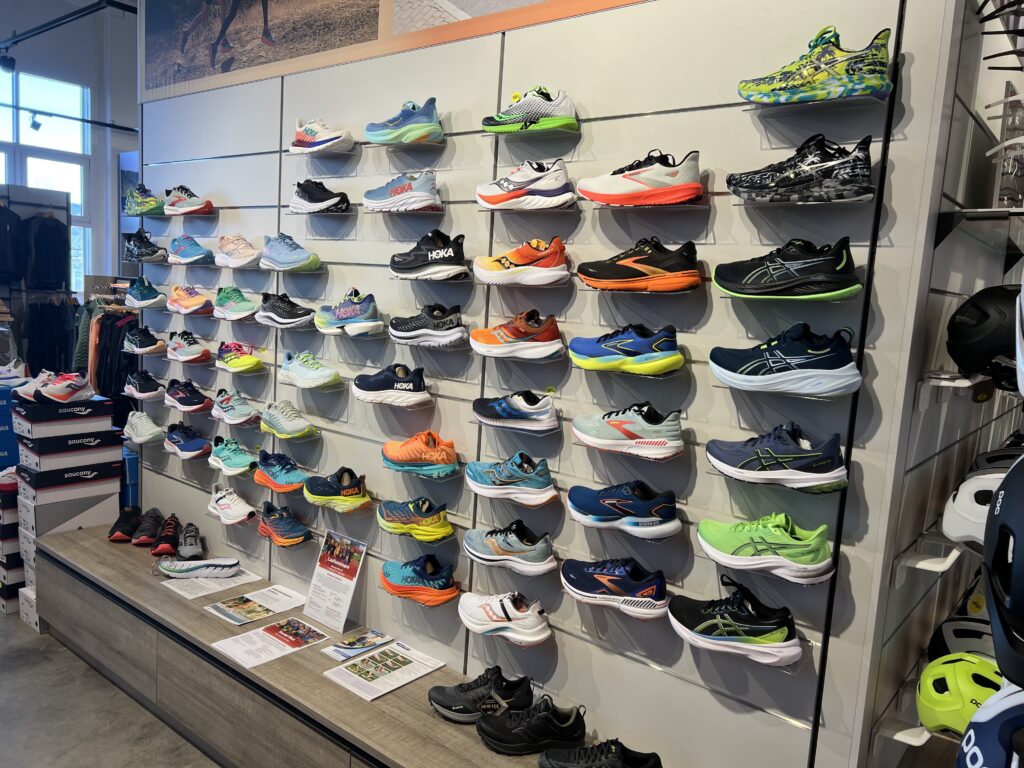
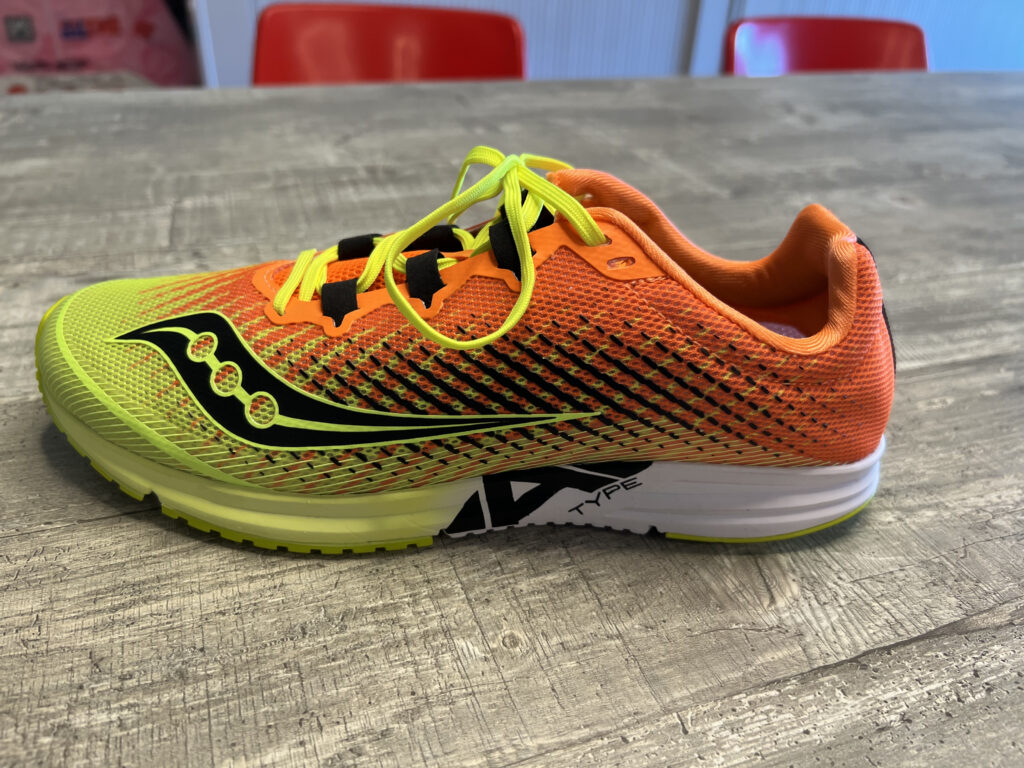
Wo stehen wir heute? Fast alle grossen Laufschuhhersteller haben ihre Modellpalette angepasst: Sehr gut gedämpfte, dicke Zwischensohlen; mehr oder weniger gerade Leisten; mehr oder weniger Rockersohle. Diese zentralen Elemente finden sich heute in fast allen Laufschuhen von fast allen Herstellern. Dabei gibt es zwar immer noch viele Variationen und Ausprägungen, aber grundsätzlich setzen heute fast alle Hersteller auf diese Technologien. Eines hingegen steht fest: Bis vor kurzem war noch viel die Rede von „Natural Running“ mit minimalistischen Schuhen, möglichst wenig Dämpfung bei gebogenem Leisten. Davon spricht heute niemand mehr, ein entsprechends Schuhangebot ist fast vollständig verschwunden. Und im Wettkampfbereich finden sich gar keine Schuhe mehr nach altem, klassischem Muster (Stichwort: „Racing Flat“). Da geht oder besser gesagt läuft gar nichts mehr ohne maximale Dämpfung, im Elite-Bereich kombiniert mit Karbonsohlen. Gut erinnern wir uns noch an die Zeiten, als selbst im Ironmanbereich galt: Je dünner die Sohle, je leichter der Schuh, desto besser und desto schneller. Heute absolut undenkbar. Und unverkäuflich.
What are the benefits for hobbyists?
Für HobbyläuferInnen bedeutet diese neue Entwicklung, dass sie endgültig Abschied nehmen müssen von den in den letzten 10-15 Jahren üblichen Laufschuhen. Dank der besseren Dämpfung bei eher tieferem Gewicht der neuen Schuhgeneration wird das Laufen schonender und bleibt trotzdem dynamisch. Auch die alten Kategorien „Stabil“- und „Neutral“-Schuhe verschwimmen immer weiter. Leicht, dynamisch und trotzdem stabil sind keine Widersprüche mehr. Wie sich das langfristig auf die Verletzungsmuster und – häufigkeit auswirken wird, bleibt abzuwarten und wir spannend sein zu beobachten.
Im Hobbybeich bleibt ein grosses „Achtung“: Karbonschuhe. Diese sind aufgrund unserer Erfahrung für den (zu häufigen) Trainingseinsatz im Hobbybereich mit Vorsicht einzusetzen, da sie das Mittelfuss-/Vorfusslaufen fast schon erzwingen, somit für den Fersenlauf ungeeignet sind und dadurch Achillessehnen/Waden bis hin zum Becken stark belasten. Entsprechende Verletzungsmuster häufen sich denn auch, nicht nur im Hobbybereich. Die Faustregel ist nach wie vor: Wer mit dem Karbonschuh nicht wirklich einen 4-Minuten-Schnitt oder schneller läuft, sollte die Finger davon lassen.
Counseling is even more important
But the best thing to do is still to get advice at a specialty store like Tempo Sport. We have a comprehensive overview of the product range, and based on a foot analysis and our experience, we can recommend the right models for you and help you try them on in-store to see what fits and what doesn’t.
You can find everything you need to know about our running shoe guide HERE.