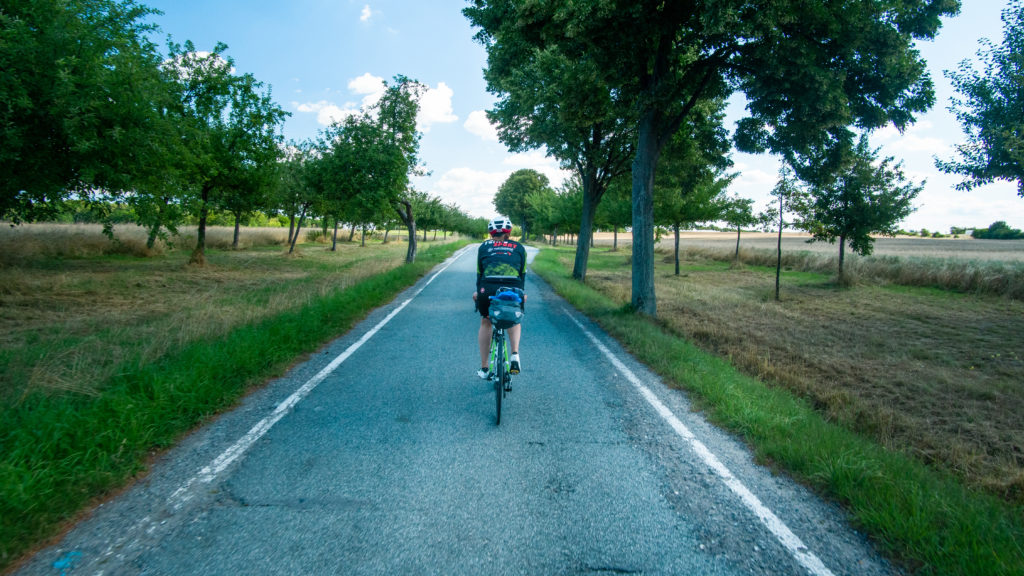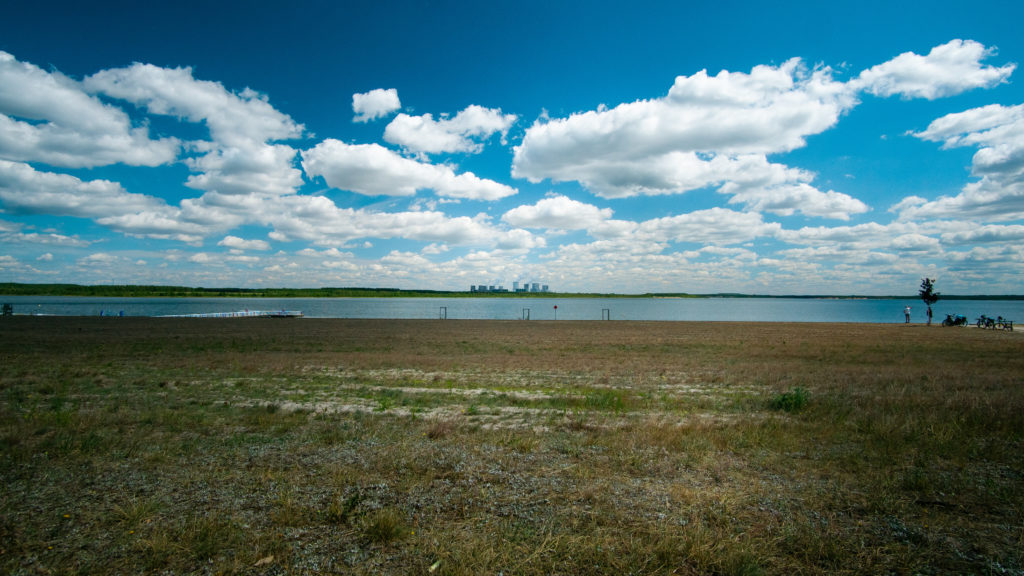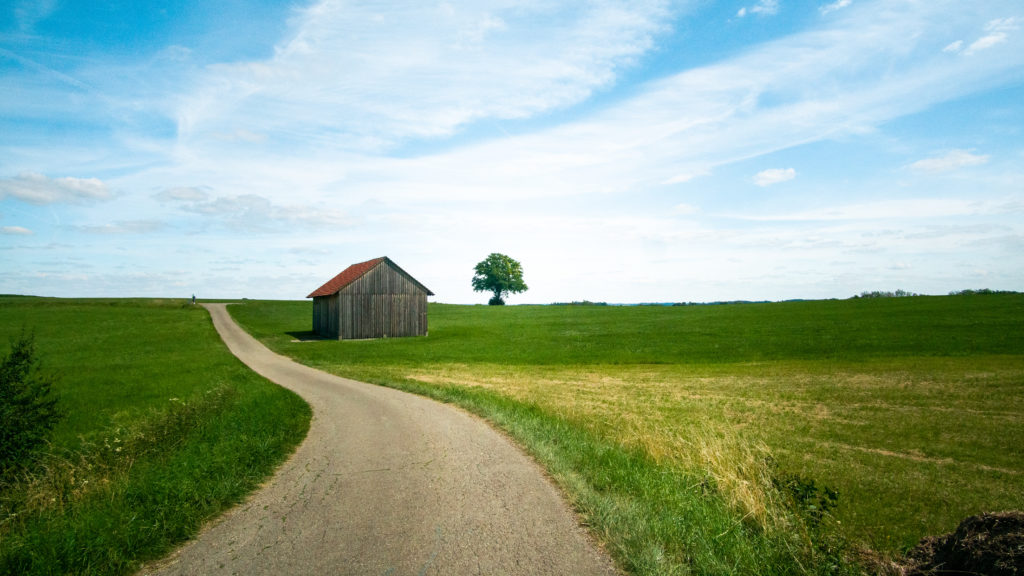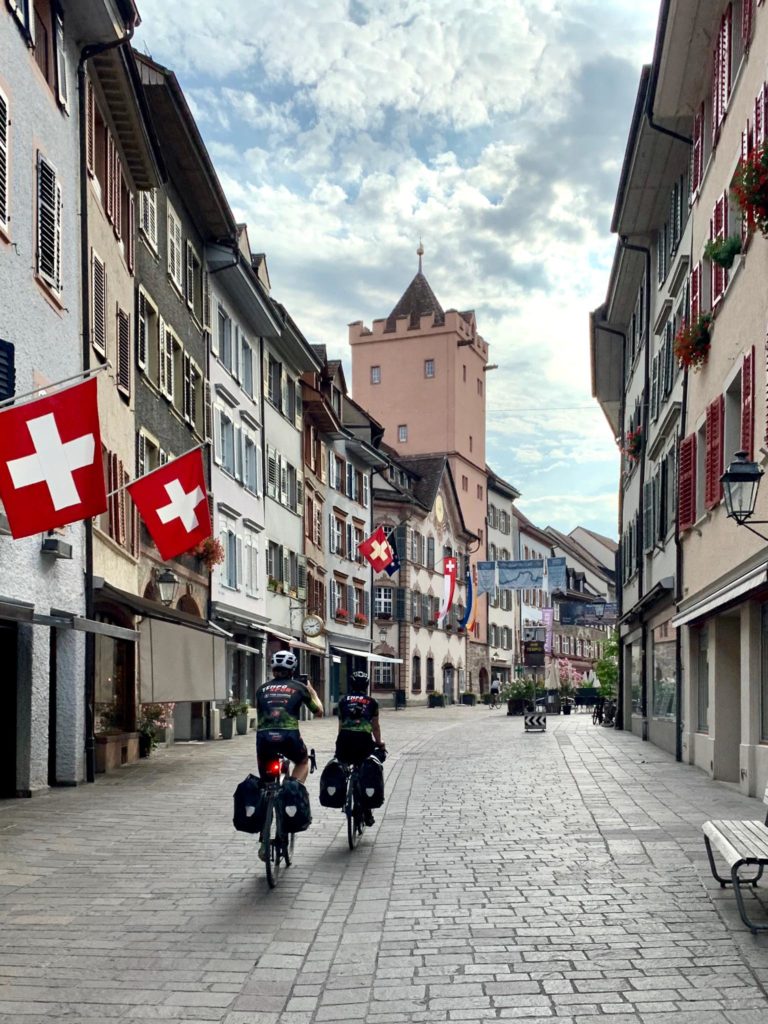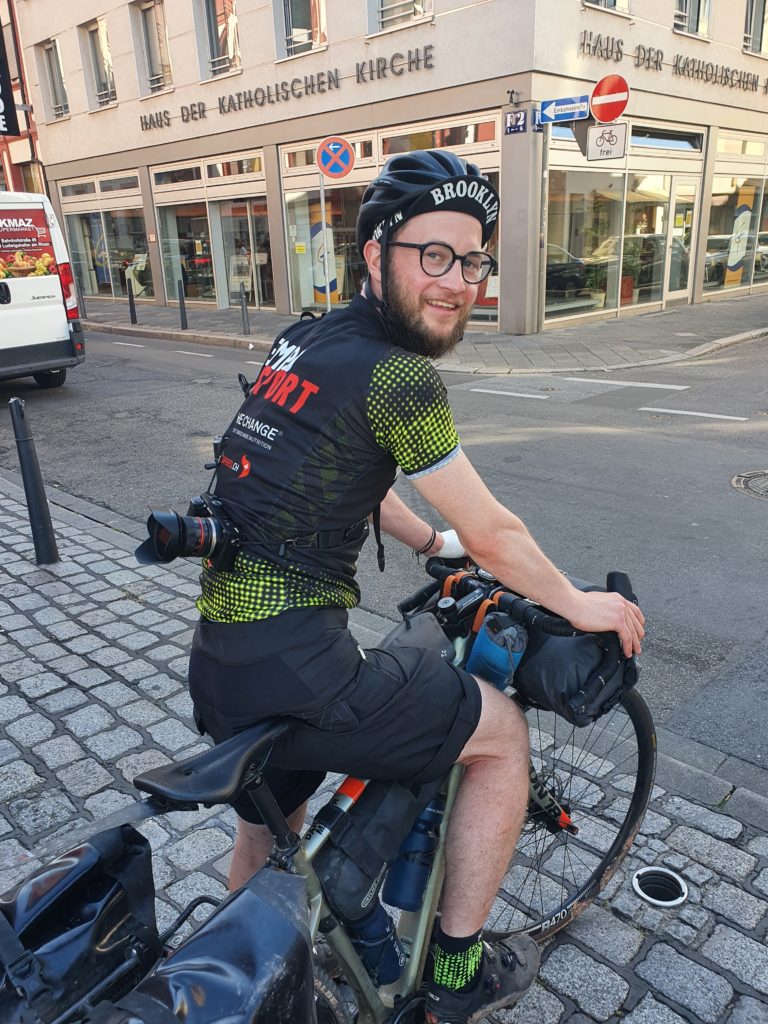
Instead of embarking on a three-month cycling trip to the North Cape, our former colleague Thierry Joerin undertook a three-week double crossing of Germany in 2020 due to the pandemic, covering over 2,000 kilometers in the saddle. In this blog post, the passionate but not fanatical cyclist candidly shares his impressions. It became clear to him sooner than he’d hoped that bikepacking isn’t always just the pure enjoyment depicted in bike catalogs. Nevertheless, he wouldn’t want to miss a single minute of his trip. Just how intense the journey was for his mind is shown by the fact that he dreamed about cycling for several nights after his return. But read for yourself!
(Don’t miss the photo gallery at the end of the post!)
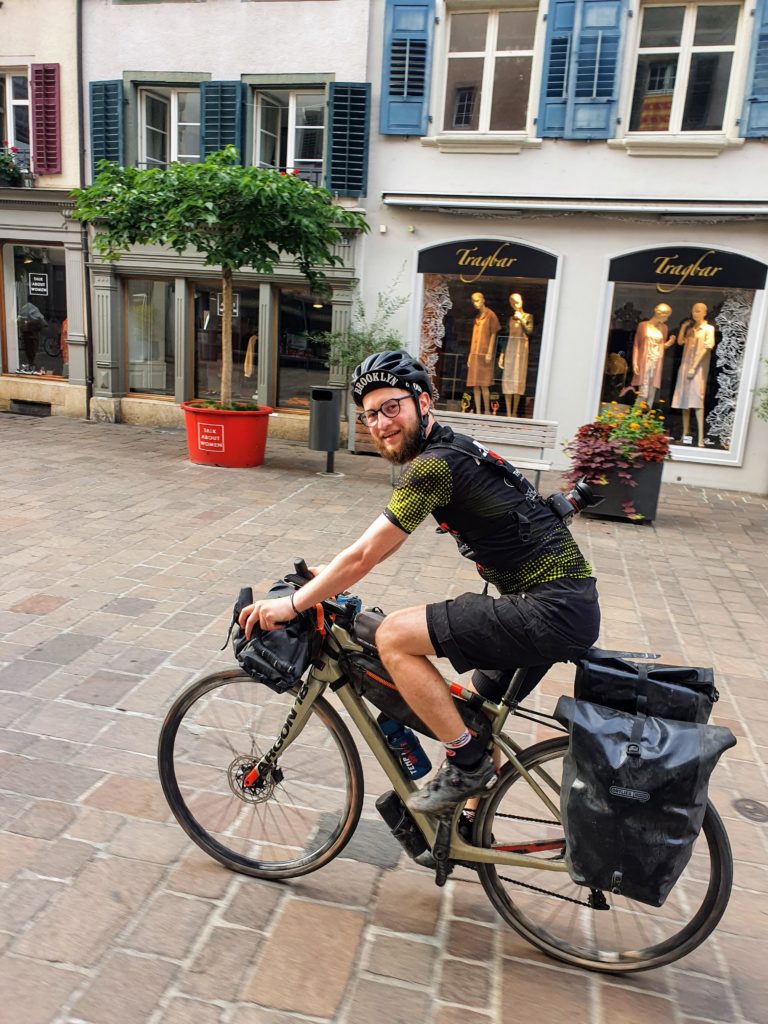
By Thierry Joerin. Bikes are on everyone’s lips thanks to the COVID-19 crisis. It almost feels like everyone has caught the cycling bug. But even before that, the new trend of bikepacking was making waves. That’s how it caught my attention too, and last year I set myself the goal of cycling from Zurich to the North Cape. A minimal amount of gear, three months of time, and a little willpower—and it’ll all work out. Shortly after the idea took shape, I’d sealed the deal on my new Argon 18 Dark Matter, borrowed or bought Ortlieb bags, convinced a friend, and tested the whole setup on a 5-day bike tour through Switzerland. But maybe I did imagine it to be a little too easy a year ago.
Three months turned into three weeks
Six months later, in January of this year, the planning phase for the long trip to the North Cape began—and so did the COVID-19 crisis. It quickly became clear that both the planning phase and the trip itself were going to fall through. My vacation was cut short from several months to three weeks, and by the time the trip was set to begin, I had only a vague idea of where I was headed. The only thing that was clear was what I wanted to bring with me. So on the first day, I set off northward with a tent, a stove, a few clothes, and some spare gear.
A slow start
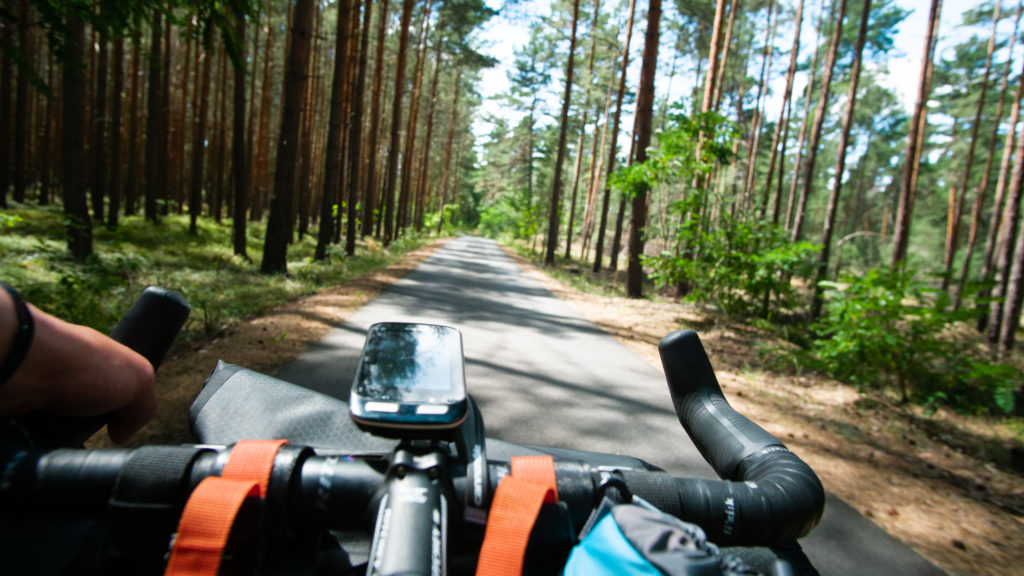
The first few days were tough, despite the good weather, varied scenery, and light winds. But my gear was getting me down. The two pannier bags, along with the other bags—which weren’t exactly lightweight either—impacted my riding performance and agility on the numerous singletrack trails and deep gravel paths in southern Germany. The first three days were a mental and physical ordeal, since while I’m used to riding a bike, I’m not used to carrying all that gear—and certainly not every day. The pain in my joints and muscles was always there, and when the pain in my neck subsided, it resurfaced in my knee. So after three days, I changed my route settings on Komoot from mountain bike to gravel bike. The result of this change was fewer elevation gains and technically easier trails.
After all, enjoyment does come
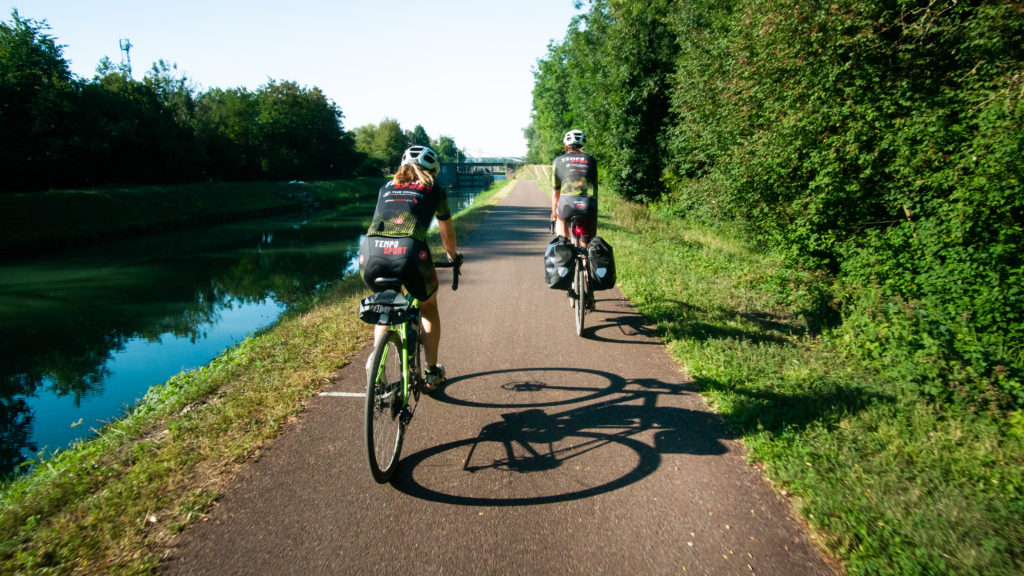
And then things got better, and the next few days were more pleasant. The body quickly gets used to physical labor, and with a few adjustments to my seating position, I was able to take some of the strain off the affected areas. I was also lucky enough not to be traveling alone for a few days and to take two rest days in four days to recover from that first tough week. A few days later, my girlfriend and I rode all the way to eastern Germany, passing through Jena, Dresden, and Cottbus on our way to Berlin. This scenic route, with its varied landscapes, really showed me the beauty of traveling by bike.
Mentally, the longer it goes on, the harder it gets
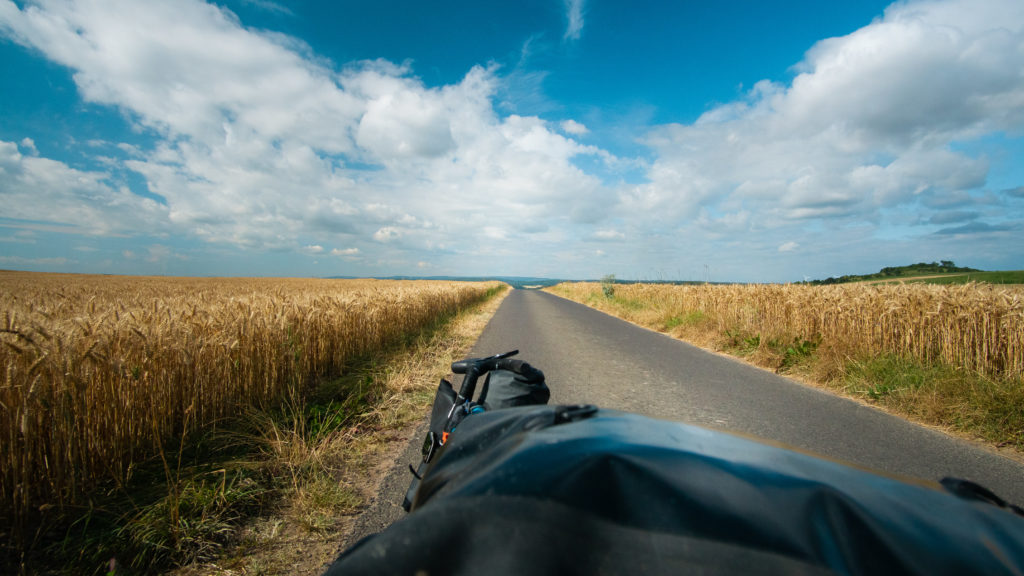
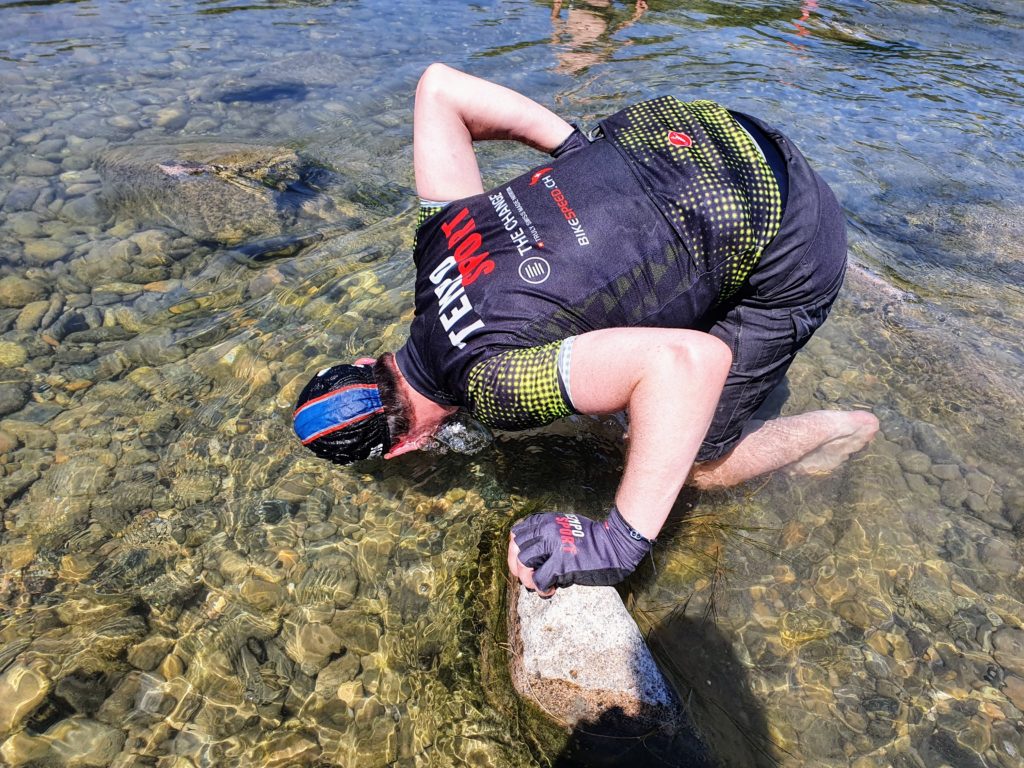
In Berlin, my plan—which I’d already had to change by day 3—came to an end, and I was on my own again. I planned my route from Berlin back to Zurich day by day. So I took it one day at a time and soon realized that the days were getting longer and longer. Every day I rode from village to village; everything looked very similar, and the heat was intensifying. At the same time, my motivation and energy were waning, as my likely insufficient planning meant I had no rest days. The only goal left was to get back to the starting point. The many days alone on the bike made it clear to me that planning, good luck with the weather—including wind and heat—but also having places to stay along the way can contribute a lot to motivation. So it happened that, despite passing through many villages, I ran out of water because the villages were deserted. Or I had to extend my route by 40 kilometers because there were no campgrounds, hotels, or other lodging options along the way.
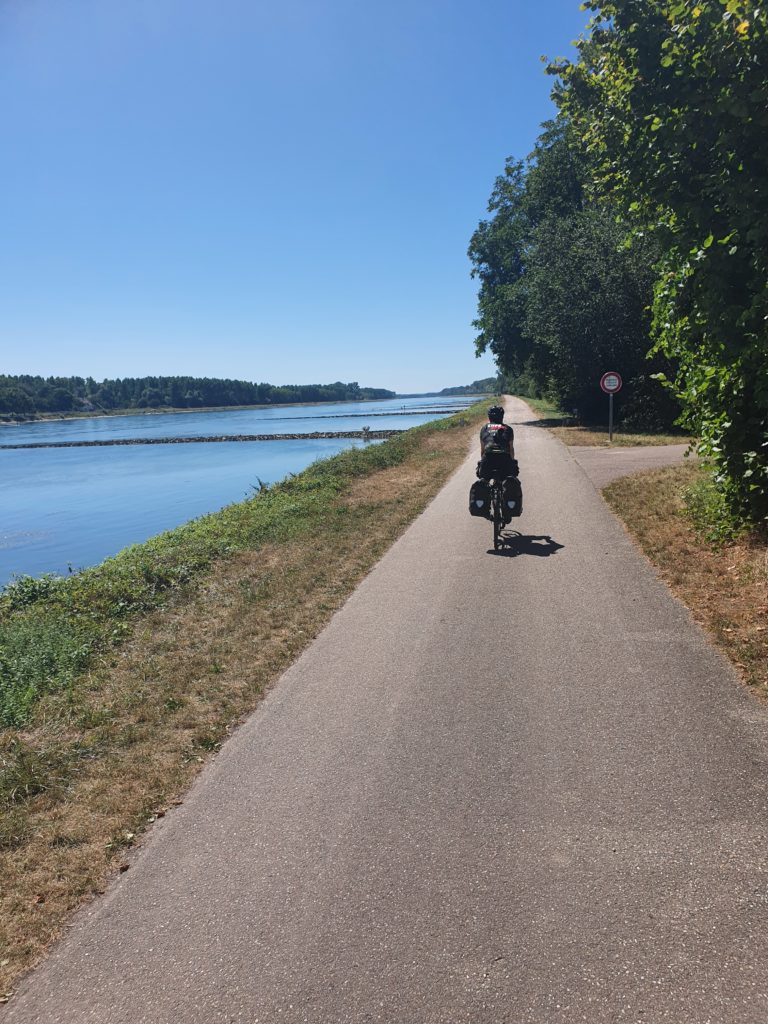
By the time I was almost back in Switzerland, I was able to enjoy having company again. My parents kept me company for the last three days, and I was able to benefit from their slipstream. It wasn’t until the second half of the tour that I realized the sail-like effect of the Panier setup. With headwinds and a slight incline, it feels as though you’d be faster on foot. Thanks to the slipstream of my fast companions, the last three days flew by, despite the long, monotonous—yet beautiful—stretches along the Rhine all the way to Zurich.
Continued the journey in my dream
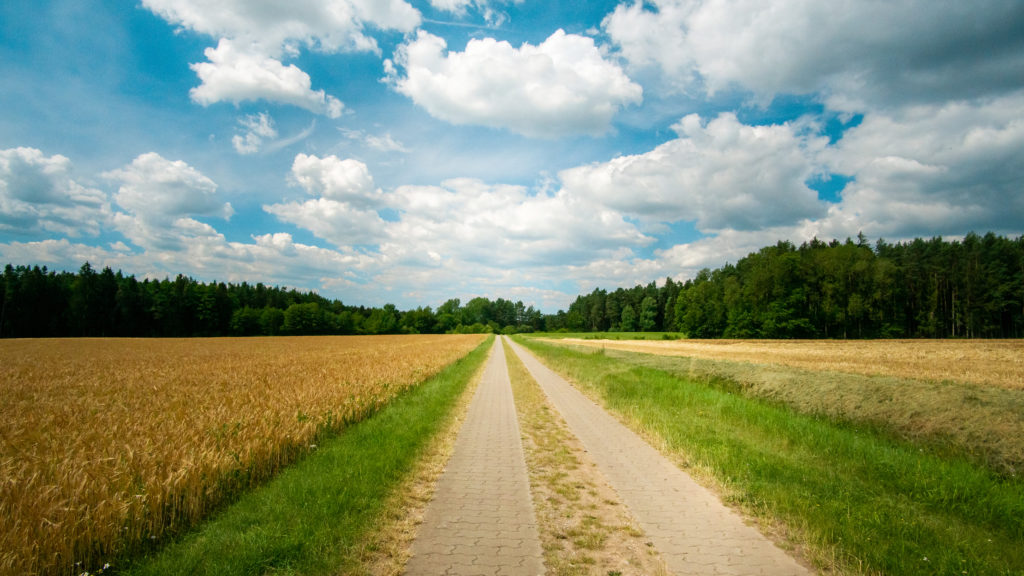
Now that a few days have passed since the trip and I’ve spent several more nights cycling, I’ve been able to gain some perspective on the tour. All in all, while the scenery in Germany probably didn’t quite match that of Scandinavia, Germany still proved to be a great place for cycling. Ninety percent of the route could be covered on bike paths or side streets with little traffic, and I generally felt safe as a cyclist.
Lessons learned
Looking back, there are a few things about the setup—but especially about the approach and the length of the daily stages—that I would change. On the way back, the days felt like races. My stress levels rose and my motivation dropped—precisely what I wanted to avoid. The heavy setup showed me that on my next tours, I’d rather sacrifice a little comfort and travel with a more aerodynamic setup, such as a saddle bag.
With only three flat tires and no mechanical issues, my bike is perfect for trips like this. Over the course of those three weeks, the only thing I lacked was water. The days I spent with companions felt easier to plan and were also more enjoyable while riding. So I’d go on another bike trip in a heartbeat, though I’d prefer it to be a leisurely one with friends.
Due to the circumstances surrounding the COVID-19 crisis, my plan to cycle to the North Cape fell through. However, those three weeks on the bike showed me that cycling is, for me, the most varied—and therefore the most enjoyable—way to travel when taking a longer vacation and exploring new places and routes.